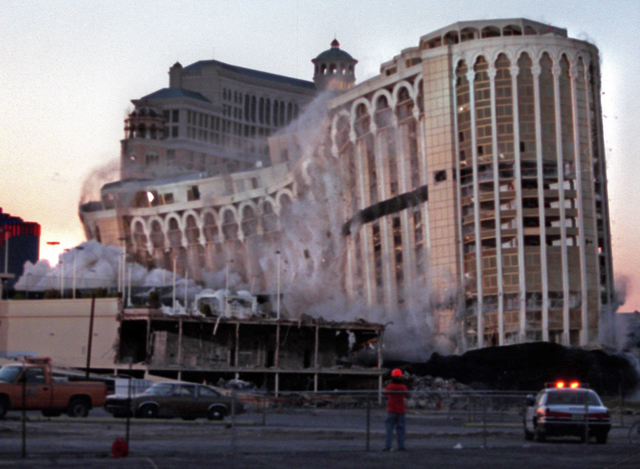
bought the Mirage, Treasure Island and the Bellagio in 2000. Wynn’s next venture was a new 50-story, $2. 7 billion project– integrated in 2005 on the old Desert Inn residential or commercial property. Called the the “Wynn Las Vegas” … it is among the most elegant resort-hotels in Las Vegas. Wynn followed it up with Repetition Resort next door in 2010. Macau (a former Portuguese nest) in addition to Hong Kong ended up being two unique administrative regions of the Peopes Republic of China in 1997 and 1999. The Portuguese federal government legislated betting in Macau in the 1850s and China continued that policy. Steve Wynn opened the “Wynn Macau” in 2006.
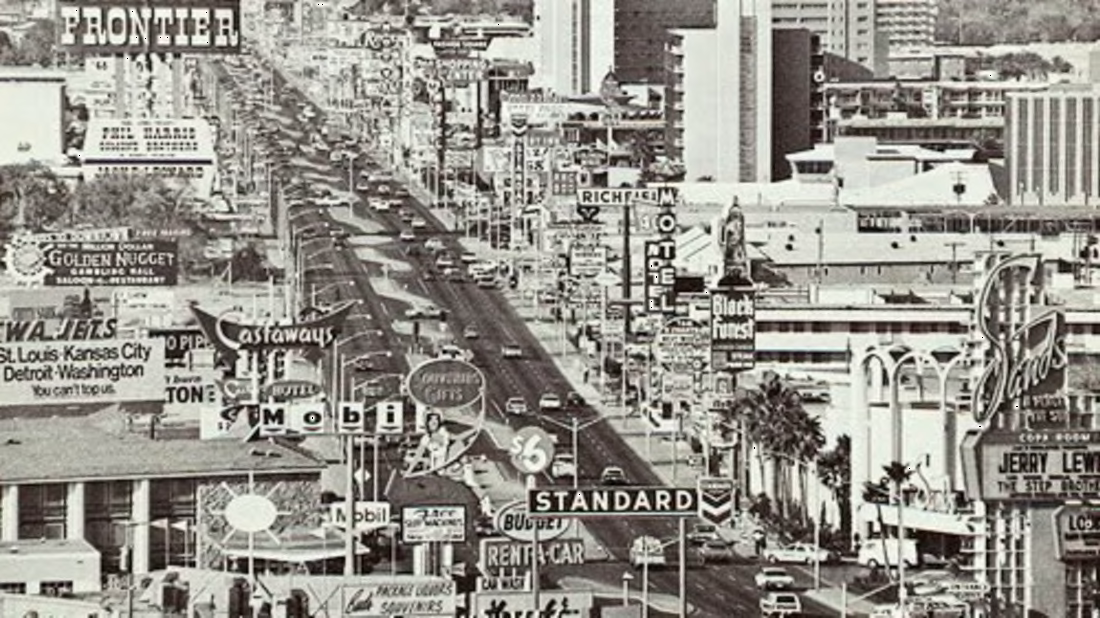
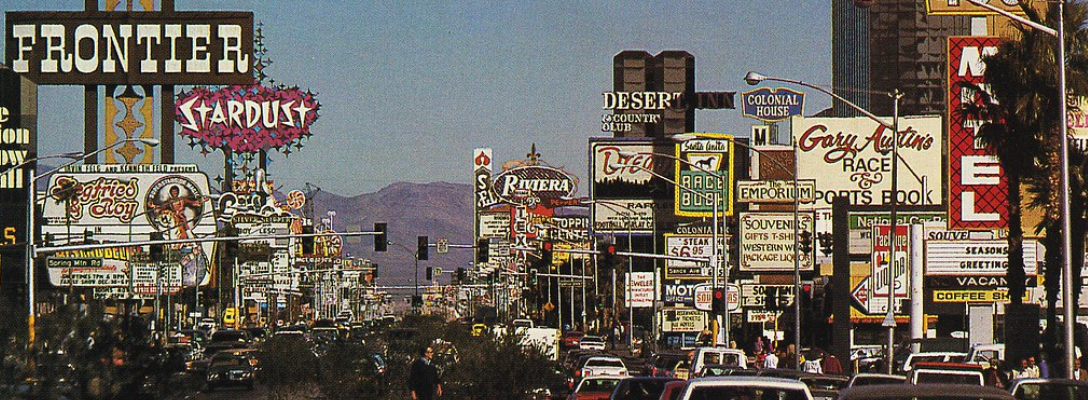
The settlement of Las Vegas, Nevada was founded in 1905 after opening of a railway that connected Los Angeles and Salt Lake City. The stopover drew in some farmers (mostly from Utah) to the location, and fresh water was piped in to the settlement. In 1911, the town was included as part of the recently founded Clark County. Urbanization removed in 1931 when work started on the Stone Dam (now the Hoover Dam), bringing a big influx of young male employees, for whom theaters and gambling establishments were built, largely by the Mafia. Electricity from the dam likewise made it possible for the building of lots of brand-new hotels along the Strip.
The name Las Vegas was provided to the city in 1829 by Rafael Rivera, a member of the Spanish explorer Antonio Armijo trading party that was taking a trip to Los Angeles, and stopped for water there on the Old Spanish Path from New Mexico. At that time, a number of parts of the valley contained artesian wells surrounded by substantial green areas; Las Vegas indicates “the meadows” in Spanish. The circulations from the wells fed the Las Vegas Wash, which goes to the Colorado River. The ancient landscape of the Las Vegas Valley and many of Southern Nevada was when a marsh with water and vegetation.

The valley then progressed into a parched, dry landscape that just supported the hardiest animals and plants. At some point in the valley’s early geologic history, the water resurfaced and flowed into what is now the Colorado River. This developed a glamorous plant life, forming a wetland sanctuary in the Mojave Desert landscape. Proof of ancient life in Las Vegas Valley has actually been discovered at the Tule Springs Fossil Beds National Monument. An abundance of Late Pleistocene fossils have actually been found from this area, consisting of Columbian mammoths and Camelops hesternus. Southern Paiutes at Moapa wearing traditional Paiute cradleboard and rabbit bathrobe Native Americans resided in the Las Vegas Valley, beginning over 10,000 years back.
How The Vegas Strip can Save You Time, Stress, and Money.

Paiutes moved into the area as early as AD 700, migrating between nearby mountains in the summer season and costs winter season in the valley, near Big Springs. A trade caravan of 60 males led by the Spanish merchant Antonio Armijo was charged with establishing a trade path to Los Angeles. By following the Pike and Smith routes through a tributary of Colorado River they encountered the Las Vegas Valley, explained by Smith as the finest indicate re-supply before going onto California. The tourists called the location “Las Vegas” which is Spanish for “The Meadows”. or ‘Fertile Plains.’ John C.
He was designated by President John Tyler to lead a group of scientists, scouts, and spies for the United States Army Corps of Engineers who were preparing for a possible war with Mexico. Upon arriving in the valley they made camp at the Las Vegas Springs, establishing a private fort there. A war with Mexico did occur, leading to the area ending up being United States territory. The fort was utilized in later years by tourists, mountain men, hunters, and traders seeking shelter, but was never ever completely populated. In 1855, William Bringhurst led a group of 29 Mormon missionaries from Utah to the Las Vegas Valley.

Nevertheless, since of tensions rising between leaders of the little Mormon community, the summertime heat and difficulty growing crops, the missionaries went back to Utah in 1857, deserting the fort. (The remains of the fort are preserved in the Old Las Vegas Mormon Fort State Historic Park.) For the next couple of years the location remained vacant by Americans except for travelers and traders. Then the U.S. Army, in an effort to deceive Confederate spies active in southern California in 1864, incorrectly advertised that it reclaimed the fort and had actually renamed it Fort Baker, briefly remembering the location to national attention. After completion of the war in 1865, Octavius Gass, with a commission from the federal government, re-occupied the fort.