
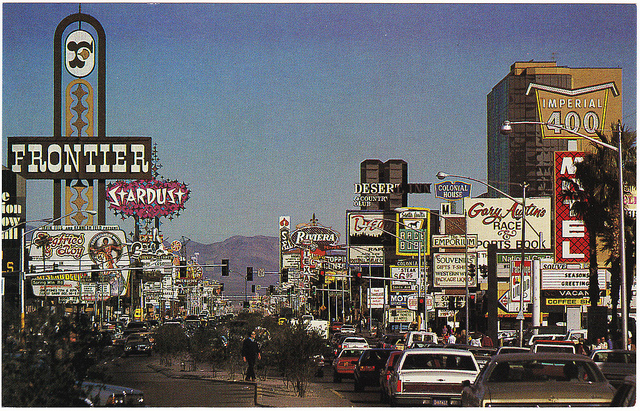
However Las Vegas was doing more than growing casinos. In 1948, Mc, Carran Field was established for industrial air traffic. In 1957 the University of Nevada, Las Vegas was very first developed, initially as a branch of the University of Nevada, Reno and becoming independent in 1969. In 1959 the Clark County Commission developed the Las Vegas Convention Center, which would end up being an essential part of the location’s economy. A new energy business, Southwest Gas expanded into Las Vegas in 1954. These atmospheric tests would continue till enactment of the Partial Test Ban Treaty in 1963 when the tests moved underground.

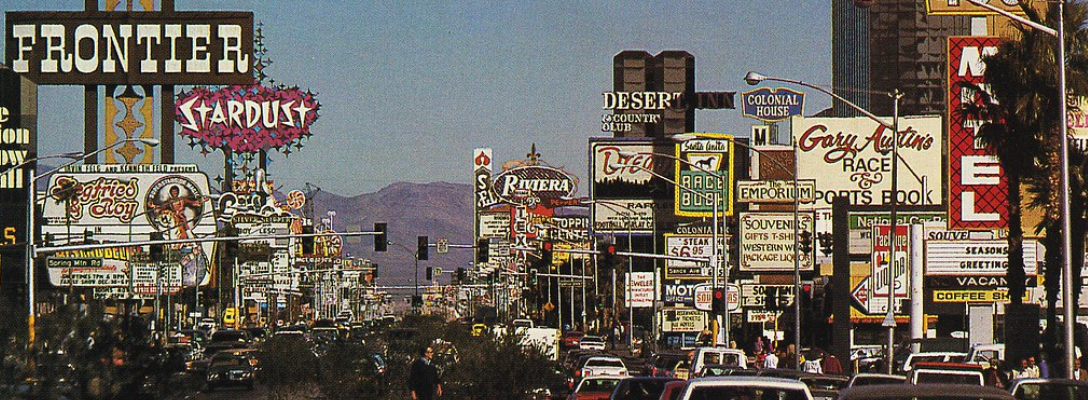
In 1966, Howard Hughes, the eccentric hero of the American air travel market, and kept in mind American entrepreneurial investor with large connections to long recognized networks in the nation, relocated to Las Vegas. Initially remaining in the Desert Inn, he declined to leave his space and instead decided to acquire the whole hotel. Hughes extended his monetary empire to consist of Las Vegas realty, hotels and media outlets, investing an estimated $300 million and using his significant powers to take control of many of the widely known hotels, especially the venues linked with orderly crime, and he quickly turned into one of the most effective men in Las Vegas.
The regional newspaper and its editor Hank Greenspun led a crusade in those days to expose all the criminal ties, activities, and federal government corruption in Las Vegas. His investigative reporting and editorials caused the direct exposure of Clark County Constable Glen Jones’ ownership of a brothel and the resignation of Lieutenant Governor Clifford A. Jones as the state’s nationwide committeeman for the Democratic Celebration. Prior to his death in 1989, Hank Greenspun established The Greenspun Corporation to manage his family’s possessions, and it remains a significant impact in Las Vegas, with media holdings in print, television and the Internet; considerable genuine estate holdings; and ownership stakes in a number of gambling establishments. This likewise was enforced in much of the work positions. Therefore, African Americans (other than those who supplied the labor for low-paying routine positions or entertainment) and Hispanics were limited in employment professions at the white-owned clubs. Nevertheless, since of work offers with black employee groups, lots of clubs favored black workers, and the Hispanic population in fact reduced ninety percent from 2,275 to just 236 by the mid-1950s. Organized crime-owned companies saw an opportunity in not dividing their customers by race and, regardless of residential or commercial property deeds and city and county codes disallowing such activities, made numerous efforts at desegregating their companies in the hopes of putting out of operation the non-white owned clubs and broadening their own market share.
10 Easy Facts About Hotels On The Las Vegas Strip Shown

On May 24, 1955, Jewish crime manager Will Max Schwartz, along with other investors, opened the Moulin Rouge. It was a very high end and racially integrated casino that in fact contended versus the resorts on the Strip, particularly the non-white owned strips on the west side. By the end of the year, the casino closed as Schwartz and his partners had a falling out, however the seeds for racial integration were sown. Many sources have credited Frank Sinatra and the Rat Pack as a considerable driving force behind desegregation in the casinos. One famous story tells of Sinatra’s rejection to perform at the Sands Hotel unless the hotel offered Sammy Davis Jr. with a space.